
Financial health assessed through key ratios: Debt-to-Income (DTI), Savings-to-Income (S/I), Net Worth. High DTI limits flexibility; balanced S/I ensures savings; positive net worth signifies asset advantage. Real estate, with global growth >10%, offers investment potential but requires strategic diversification and debt management (below 30% DTI, under 75% Debt-to-Value).
Budgeting and savings vital: Federal Reserve reports U.S. struggles. 50/30/20 rule allocates expenses, saves 20%. Automation, negotiation, high-yield accounts enhance savings. Regular adjustments crucial as life changes. Maximize hard-earned money for future security, including real estate opportunities.
Personal financial health is a cornerstone of overall well-being, shaping future opportunities and securing a stable tomorrow. Yet, navigating the complexities of personal finances can be daunting, with many individuals lacking clear metrics to gauge their standing. This article delves into the critical need for accurate ratio measurement as a compass for personal financial navigation. Specifically, we explore key ratios that transcend mere savings, encompassing investments, debt, and real estate—assets often central to long-term prosperity. By providing practical insights and expert guidance, this piece aims to empower readers with actionable knowledge, fostering informed decision-making and a more secure financial future.
Assessing Financial Health: Key Ratios to Know

Assessing financial health involves a comprehensive understanding of key ratios that provide insights into an individual’s financial position and performance. One critical ratio is the debt-to-income (DTI) ratio, which measures the relationship between your monthly debt payments and your gross income. A high DTI ratio suggests a greater burden from debt obligations, potentially impacting future financial flexibility. For instance, a DTI above 30% is generally considered a red flag by lenders. Consider a scenario where Jane, a 35-year-old real estate agent, has a monthly income of $5,000 and debts totaling $2,000, resulting in a DTI of 40%. This ratio indicates a significant portion of her income is allocated to debt, leaving limited wiggle room for unexpected expenses or savings.
Another essential ratio is the savings-to-income (S/I) ratio, which reveals the percentage of your income dedicated to savings. Experts recommend maintaining an S/I ratio of at least 20% for stability and potential emergencies. For example, if John, a 40-year-old software engineer, earns $7,000 monthly and saves $1,400, his S/I ratio is approximately 20%. This healthy ratio demonstrates a balanced approach to managing income, allowing for both short-term and long-term financial security.
The net worth ratio, calculated by dividing your total assets by your total liabilities, offers a holistic view of your financial standing. A positive net worth indicates that your assets exceed your debts. For instance, a young professional with $100,000 in assets and $50,000 in debts boasts a net worth of $50,000, signifying a solid financial foundation. However, a negative net worth, often seen in those with substantial debt but limited assets, raises concerns about long-term financial viability.
Real estate investments also play a significant role in financial health. Owning property can serve as a valuable asset, providing both equity and potential rental income. For instance, a well-maintained rental property in a desirable location can generate substantial cash flow, enhancing one’s financial profile. Conversely, underperforming real estate investments or excessive reliance on debt financing for property purchases can strain financial resources, emphasizing the importance of a diversified investment strategy. Regularly reviewing and adjusting these key ratios is crucial for navigating financial landscapes effectively and making informed decisions to ensure long-term financial well-being.
Real Estate's Role: Property Value & Debt Analysis

Real estate plays a pivotal role in measuring personal financial health due to its inherent link to wealth generation and risk mitigation. Property value analysis is a fundamental aspect of this evaluation. According to recent data, home values have been steadily increasing globally, with average house prices rising by over 10% annually in many developed markets. This trend underscores the potential of real estate as an investment vehicle and a key component in building financial stability.
Debt associated with real estate, primarily mortgages, is another critical factor. A prudent approach to mortgage management involves keeping debt-to-income ratios at sustainable levels. For instance, a commonly recommended guideline is to ensure that housing expenses, including mortgage payments, do not exceed 30% of your total monthly income. This allows for flexibility in managing other financial obligations and unexpected expenses. Expert advisors suggest maintaining a debt-to-value ratio below 75% to preserve financial health, ensuring that the value of your property significantly outweighs the outstanding loan amount.
Furthermore, real estate offers diverse investment strategies tailored to individual financial goals. Flipping properties, for example, involves purchasing underpriced real estate, renovating it, and reselling at a higher price. This approach requires substantial capital and market knowledge but can yield significant profits. Alternatively, long-term investing in rental properties provides steady income streams through rent collection. Diversifying one’s portfolio with both residential and commercial real estate investments can further mitigate risks associated with market fluctuations.
In navigating the real estate landscape, it is crucial to stay informed about local markets and consult with financial advisors. Regularly assessing property values and debt obligations ensures that your financial health remains robust. This proactive approach allows for informed decision-making, enabling individuals to optimize their real estate investments and achieve long-term financial stability.
Budgeting & Savings: Building Long-Term Security
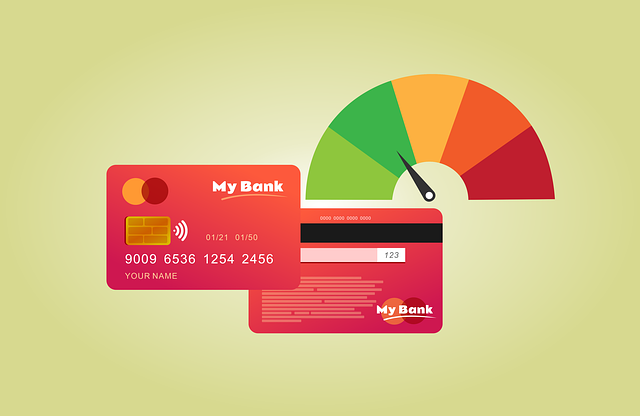
Budgeting and savings are cornerstone components of measuring and enhancing personal financial health. Effective budgeting allows individuals to allocate their income strategically, ensuring essential expenses are met while facilitating savings for future goals. According to a recent report by the Federal Reserve, over 60% of U.S. households have less than $1,000 in savings, highlighting the urgent need for robust financial planning. A well-crafted budget begins with tracking income and expenses, providing clarity on spending patterns. This foundational step is crucial as it enables individuals to identify areas where adjustments can be made, such as reducing non-essential costs or negotiating better terms on bills.
Savings are particularly vital in building long-term financial security. They serve as a buffer against unexpected events like job loss, medical emergencies, or sudden repairs, which can significantly disrupt finances. Moreover, savings play a pivotal role in achieving significant financial goals, such as purchasing a home (real estate) through down payment savings or planning for retirement. Expert financiers often recommend the 50/30/20 rule as a simple yet effective budgeting strategy: allocating 50% of income to necessities, 30% to discretionary spending, and 20% to savings and debt repayment. This rule provides a structured approach to managing finances while ensuring a balance between current needs and future security.
Practical steps toward enhancing budgeting and savings include automating transfers to savings accounts, negotiating bills for lower rates, and exploring high-yield savings accounts or investment options. Regularly reviewing and adjusting budgets is essential as life circumstances evolve. For instance, upon achieving a financial milestone like buying a home, the focus shifts from general savings to building equity through responsible mortgage payments. Ultimately, budgeting and saving are not just about limiting expenses but also about maximizing the value of one’s hard-earned money, paving the way for a secure future.